Creating a cozy and functional home office space is essential in today’s work environment, where many people spend significant time working from home. A well-designed workspace can boost productivity, reduce stress, and make your workday more enjoyable. Whether you have a dedicated room or a small corner, these tips will help you create a home office that works for you.
Choose the Right Location
The first step in designing your home office is selecting the right spot. Ideally, this should be a quiet area with minimal distractions. If possible, choose a space with natural light, as it helps improve mood and focus. Avoid places where family members frequently gather or noisy areas near the kitchen or television.
If space is limited, consider converting a part of your living room, bedroom, or even a large closet into an office nook. The key is to make sure your chosen location feels separate enough from your daily living spaces to help you mentally switch into work mode.
Invest in Comfortable and Supportive Furniture
Your furniture plays a crucial role in creating a functional office. A good chair with proper lumbar support is vital for maintaining good posture and avoiding aches during long work hours. Ergonomic chairs can be an excellent investment for comfort and health.
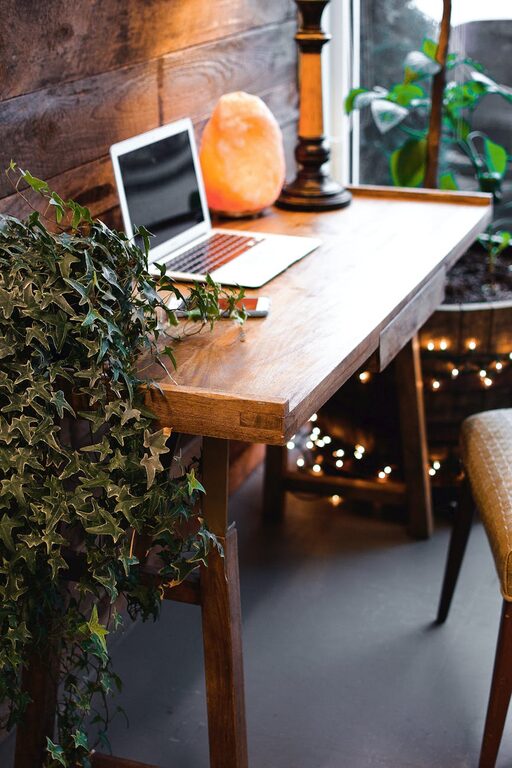
Choose a desk that fits your space and work needs. Consider the height and surface area — you’ll want enough room for your computer, notebooks, a lamp, and perhaps some personal touches. Adjustable desks or standing desks can add flexibility and help you stay active throughout the day.
Optimize Lighting
Lighting can greatly impact your productivity and comfort. Natural light is the best option, so position your desk near a window if possible. However, avoid glare on your computer screen by placing your monitor perpendicular to the window.
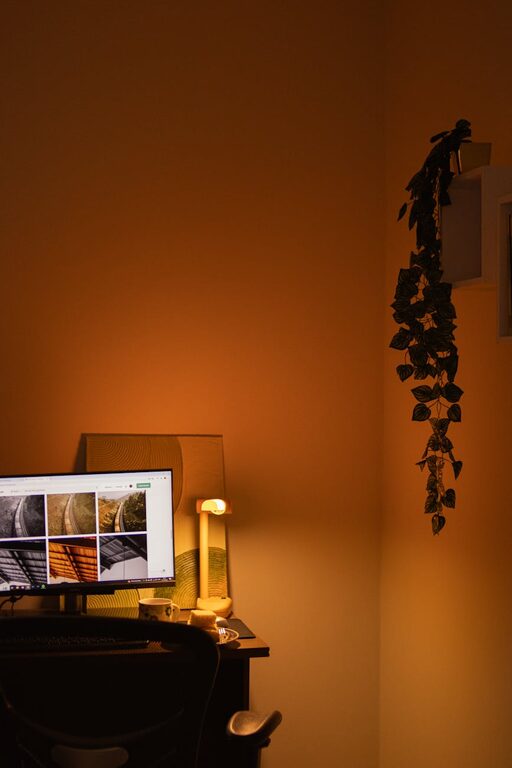
For cloudy days or evening work, include a good-quality desk lamp with adjustable brightness. Warm light tones create a cozy atmosphere, while cool light can help keep you alert. Consider layering your lighting with overhead lights and task lighting to balance brightness and reduce eye strain.
Personalize Your Space Thoughtfully
Adding personal touches to your office makes the space more inviting and reflects your personality, which can boost motivation. Consider hanging artwork or photos that inspire you or bring positive energy.
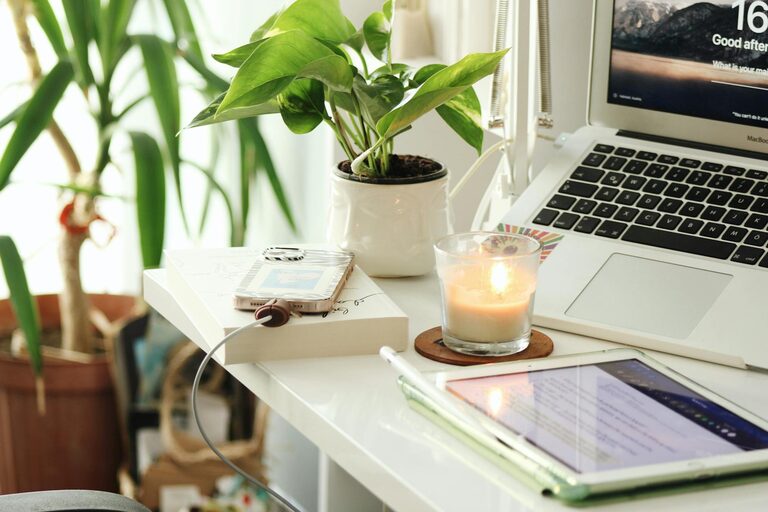
Plants are another great addition. Not only do they improve air quality, but their greenery adds a calming effect. Small succulents or low-maintenance plants are perfect if you don’t have much time for care.
Keep your personalization balanced — too many items can create clutter and distraction, while a few well-chosen decorations can enhance your workspace.
Organize Efficiently to Stay Clutter-Free
A cluttered workspace can cause stress and disrupt concentration. Use organizational tools that fit your style and needs, such as shelves, drawers, filing cabinets, or desk organizers.
Label files and containers to find items quickly. Cable management solutions will keep cords tidy and prevent tangling. Regularly declutter your desk at the end of the day to maintain a clean environment.
Digital organization is also crucial. Keep your computer desktop and email inbox organized with folders and priority labels to minimize digital clutter.
Incorporate Technology Wisely
Choose technology that supports your work without adding unnecessary complexity. Invest in a good-quality monitor, keyboard, and mouse for better ergonomics. Reliable internet connection and noise-canceling headphones can improve focus during virtual meetings or concentrated tasks.
Keep charging stations and power outlets within easy reach to reduce disruption. If space allows, consider adding a printer or scanner for convenience.
Pay Attention to Acoustics
Sound can affect your concentration, especially if your home is busy or noisy. Consider noise-reducing options like rugs, curtains, or acoustic panels to muffle background sounds.
Playing soft instrumental music or white noise can help some people focus. Alternatively, noise-canceling headphones are a practical solution to block out distractions.
Design for Flexibility and Comfort
Your home office should adapt to your work habits and any changes over time. Choose furniture that can be rearranged easily or is multipurpose, such as desks with adjustable heights.
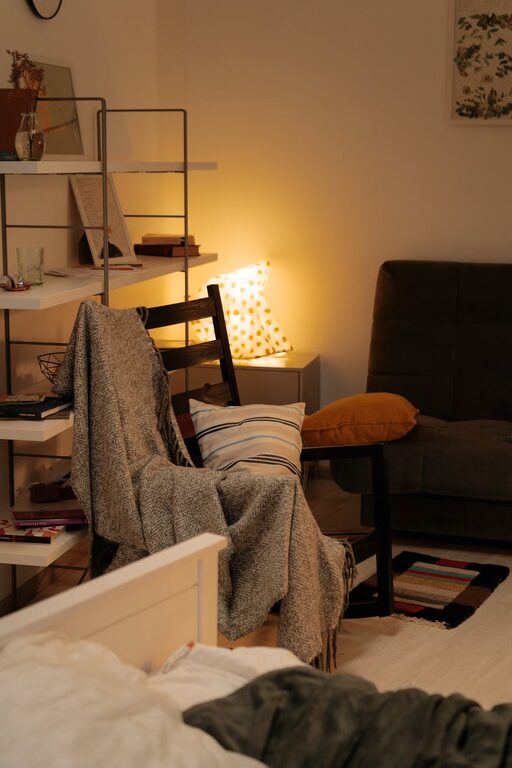
Incorporate elements that promote comfort, like a cozy throw blanket, a cushion, or a footrest. These items encourage relaxation during breaks and enhance your overall well-being while working.
Establish Boundaries and Routine
Even the best home office needs clear boundaries to separate work and personal time. Set specific work hours and communicate them with family members if needed.
Create a morning routine to enter “work mode” and an end-of-day ritual to switch off. Closing the office door or packing up your materials can help signal the start and finish of the workday.
—
Designing a cozy and functional home office space is about creating an environment that supports your work style while offering comfort and inspiration. With these tips, you can build a workspace that helps you stay productive and balanced, making your time at home office both enjoyable and effective.