Creating a cozy and productive home office space is essential for anyone working from home or managing tasks remotely. A well-designed office can improve focus, reduce stress, and make work feel more enjoyable. Whether you have a dedicated room or a small corner of your living space, there are plenty of ways to transform it into an inviting and efficient workspace.
Why a Good Home Office Matters
Having a space that’s both comfortable and functional supports your work habits and overall well-being. When your environment feels welcoming, you’re more likely to stay motivated and complete tasks effectively. A productive home office balances organization, ergonomics, lighting, and personal touches to help you perform your best.
Choosing the Right Location
Consider Natural Light
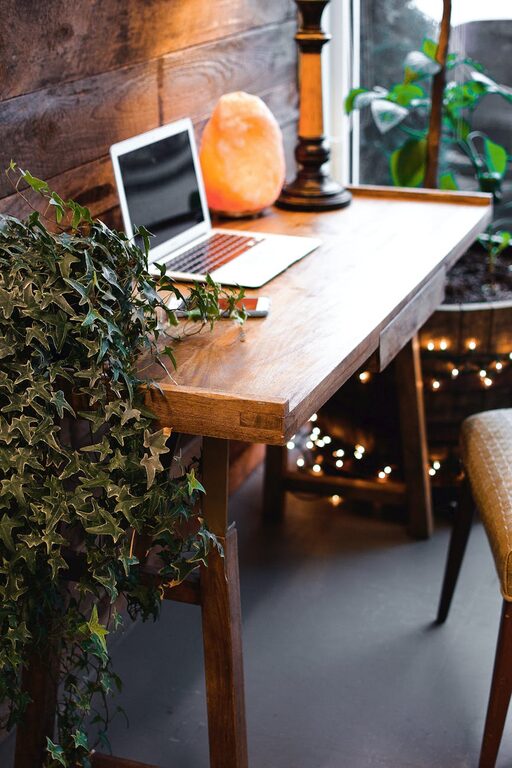
If possible, pick a spot near a window. Natural light elevates mood, reduces eye strain, and keeps you alert. Position your desk to avoid direct glare on your computer screen but close enough to enjoy daylight.
Minimize Distractions
Select a quiet area where household noise is minimal. If space is limited, consider room dividers or noise-canceling headphones to create a focused atmosphere.
Essential Furniture and Layout
Ergonomic Chair and Desk
Investing in a comfortable chair with good back support can prevent aches and maintain posture throughout long working hours. Adjustable desks allow flexibility to switch between sitting and standing, which can be healthy for productivity.
Desk Size and Organization
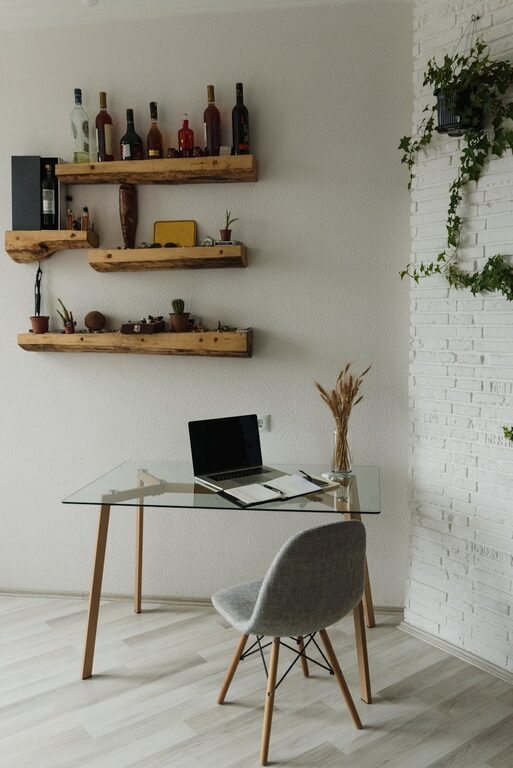
Choose a desk that fits your needs – enough space for your computer, documents, and essential supplies without feeling cluttered. Use organizers, trays, or drawers to keep the surface tidy.
Lighting Tips for Comfort and Efficiency
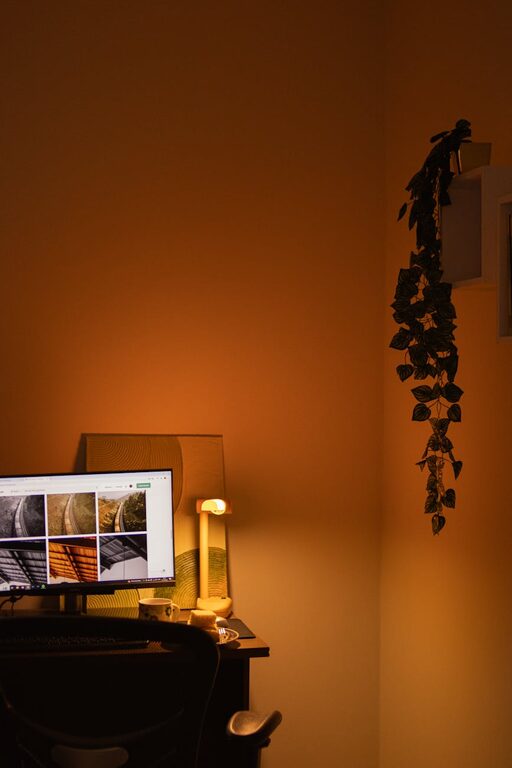
Apart from natural light, proper artificial lighting is crucial. Use a combination of overhead lights and task lamps that provide bright, adjustable illumination. Avoid harsh fluorescent lights; instead, opt for softer bulbs with neutral color temperatures to reduce eye strain.
Personalizing Your Space
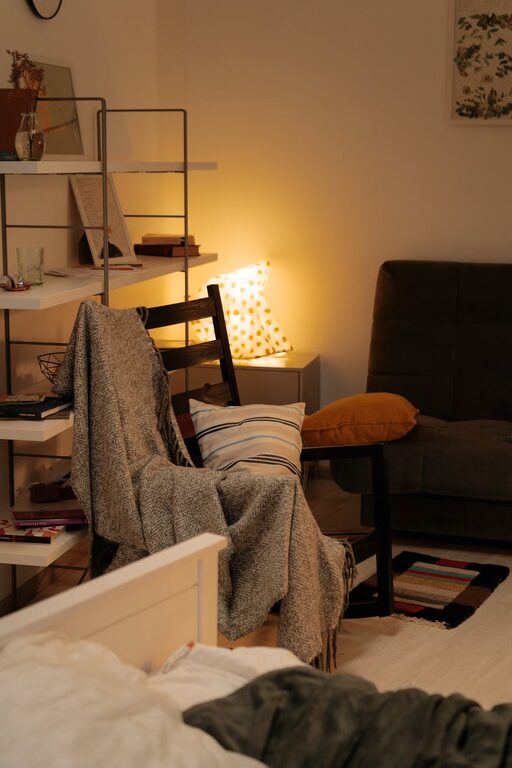
Adding personal touches like plants, artwork, or photos can create a cozy atmosphere. Plants, in particular, improve air quality and bring a bit of nature indoors, which can boost mood and creativity.
Organizing for Productivity
Declutter Regularly
Keep your workspace free of unnecessary items. A clutter-free desk helps clear your mind and maintain focus.
Storage Solutions
Use shelves, filing cabinets, or baskets to organize paperwork and supplies. Labeling storage containers makes it easier to find what you need quickly.
Digital Organization
Keep your digital files and emails organized as well. A well-maintained digital workspace complements your physical setup and helps streamline your tasks.
Setting Boundaries and Routine
Working from home can blur the line between personal and professional life. Set specific working hours and communicate them to family or housemates. This helps create a sense of structure, making it easier to switch into “work mode” and later relax.
Adding Comfort and Wellness Features
Temperature Control
Ensure your workspace is neither too hot nor too cold. Adjust fans, heaters, or air conditioning as needed to stay comfortable.
Break Areas
If space allows, designate a separate spot for short breaks or stretching. This helps prevent burnout and keeps you energized.
Technology and Connectivity
Reliable internet and good equipment are vital for a smooth workflow. Make sure your computer, printer, and other devices are up to date and functioning well. Cable management systems can also keep cords organized and out of the way.
Final Thoughts
Creating a cozy and productive home office doesn’t have to be complicated or expensive. Focus on comfort, organization, and personalization to build a space where you enjoy spending time and can work efficiently. Small changes, like adding a plant or improving lighting, can make a big difference in how you feel and perform throughout the day.
With these tips, your home office can become a place that inspires creativity, focus, and balance—turning work from home into a positive experience.